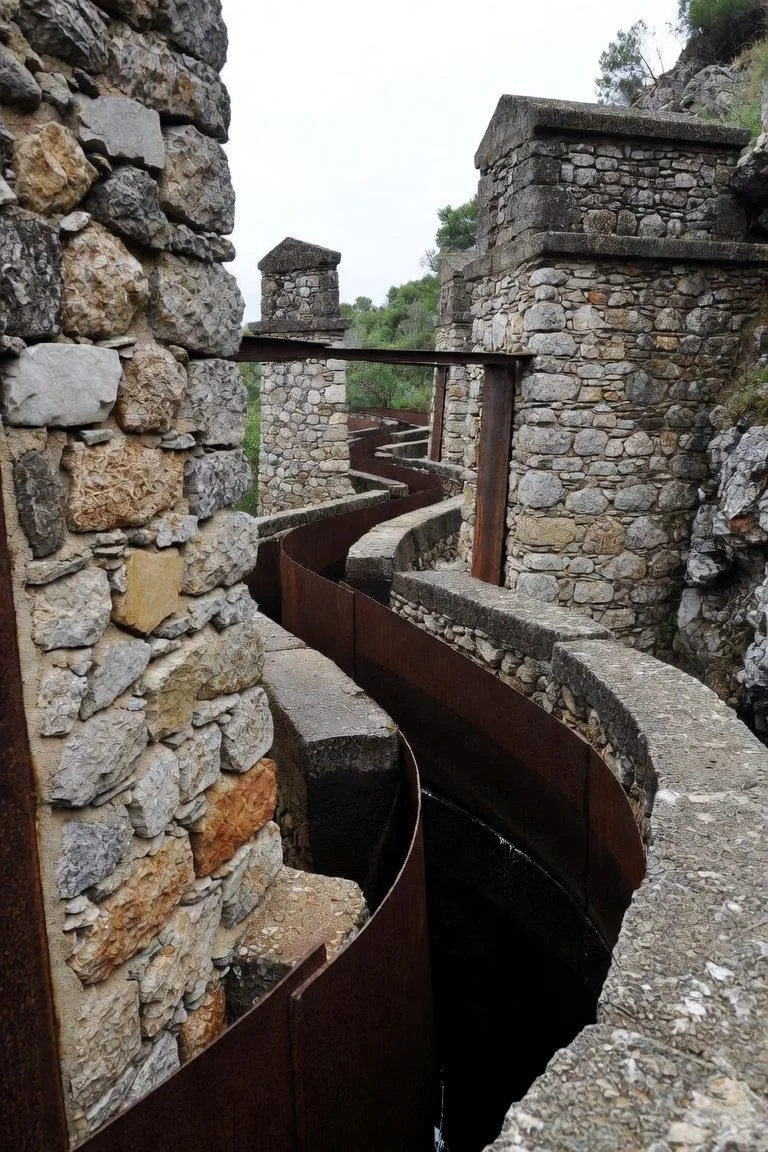
FLOW / FLUMES / CHANNELS/FUNNELS
de la Riva / sur la Banchina / a la Rivian
Gamecraft Plane is often constituted through flow.
Matter does not remain fixed within a single condition.
Liquid mineralizes. Mineral crystallizes. Crystal becomes artifact. Artifact releases into circulation.
The Plane is not organized around static objects.
It is organized around transformation under motion.
FLOW — Constitutive Motion
Flow is the constitutive motion layer of the Plane.
It governs transport, erosion, mineralization, sorting, accumulation, release, and re-state.
Flow is not decoration or animation.
It is the primary organizational force through which matter becomes admissible to transformation.
FLUMES — Acceleration Geometry
Flumes are curvature-defined conduits that capture and accelerate flow.
A Flume establishes gradient, velocity, compression, and throughput capacity.
Flumes are not merely channels for transport.
They are acceleration geometries that intensify constitutional motion across the Plane.
CHANNELS — Sorting and Redirection
Channels regulate the directional inheritance of flow.
A Channel determines entry conditions, sorting logic, routing priority, and exit trajectory.
Channels do not assign worth.
They determine admissibility, routing, and continuity of movement.
Through Channels, matter is redirected toward appropriate transformation states.
Material Inheritance
Matter moving through the Plane does not discard prior states.
Mineral remains present within crystal.
Crystal remains present within artifact.
Artifact remains present within later circulation.
Transformation is inheritance under altered organization.
The Plane does not erase matter.
It re-states it.
Gravity-Assist Circulation
Circulation emerges from the interaction of Flow, Flume gradient, Riva boundary, Soglia immersion, Banchina stabilization, and Channel curvature.
Together these systems enable capture, sorting, compression, acceleration, mineralization, re-state, and release.
The result is continuous constitutional circulation across the Plane.
Canonical Cycle
1. Free flow approaches the Riva.
2. The Riva establishes eligibility for capture.
3. The Soglia initiates immersion and transformation.
4. The Banchina stabilizes the transformed unit.
5. Flumes accelerate constitutional movement.
6. Channels sort and redirect inheritance paths.
7. Re-State returns the unit to circulation.
This is the canonical circulation model of the Gamecraft Plane.
RIVA — THE RIVER-EDGE BOUNDARY
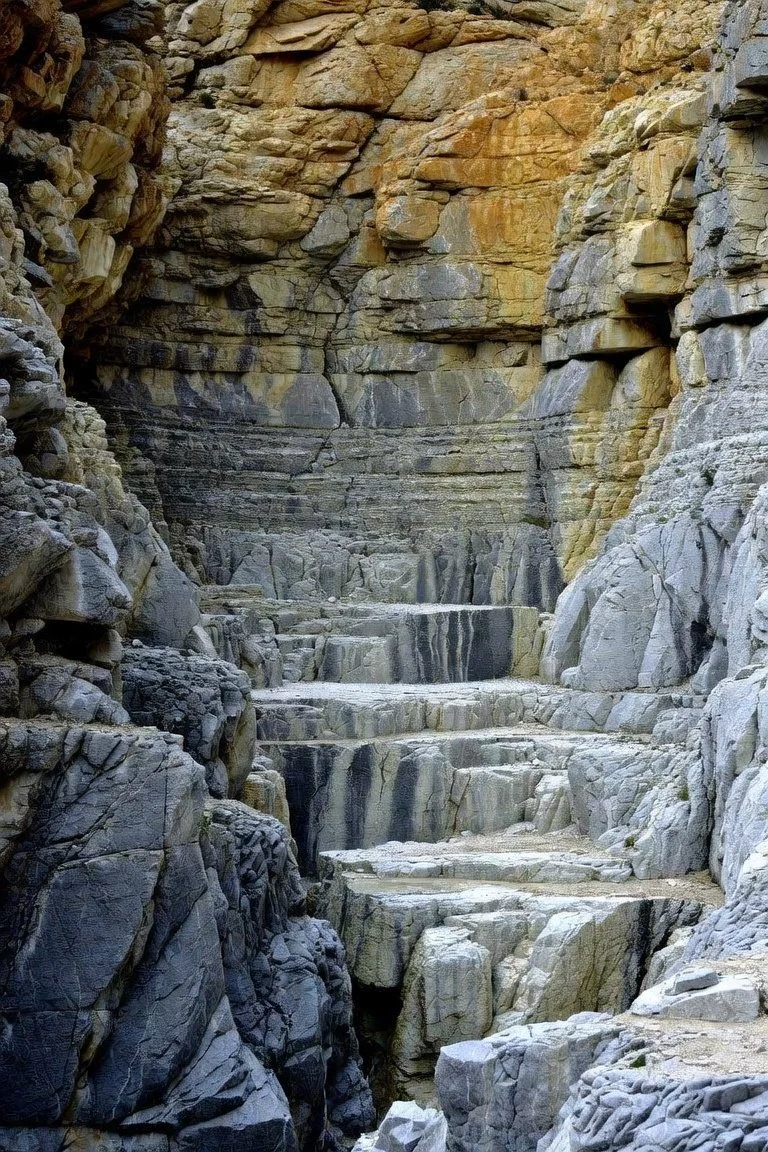
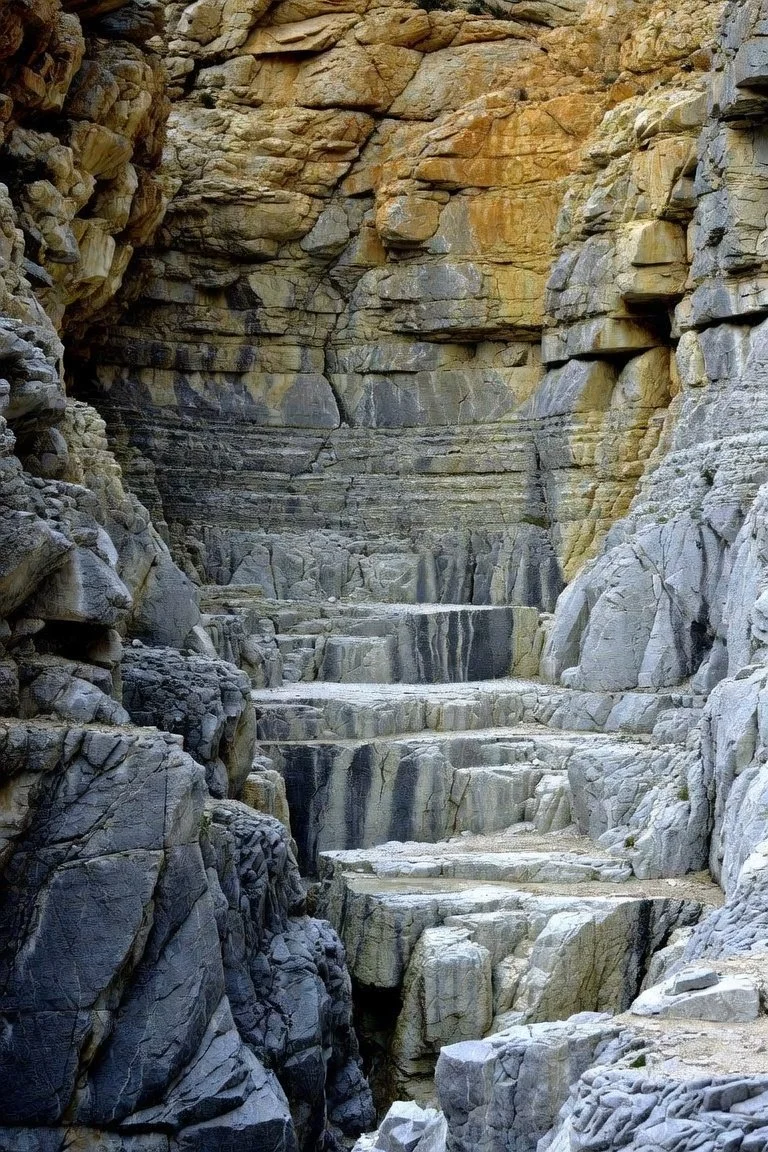
Riva is the river-edge boundary where free motion first encounters constitutional structure.
At Riva:
• Flow becomes readable
• Matter becomes eligible for capture
• Directionality becomes structured
• Inheritance paths become observable
Riva is the first stable edge between unrestricted motion and guided circulation.
It is the horizontal liminal boundary of the Plane.
—
LIMNEL — THE IMMERSION HINGE
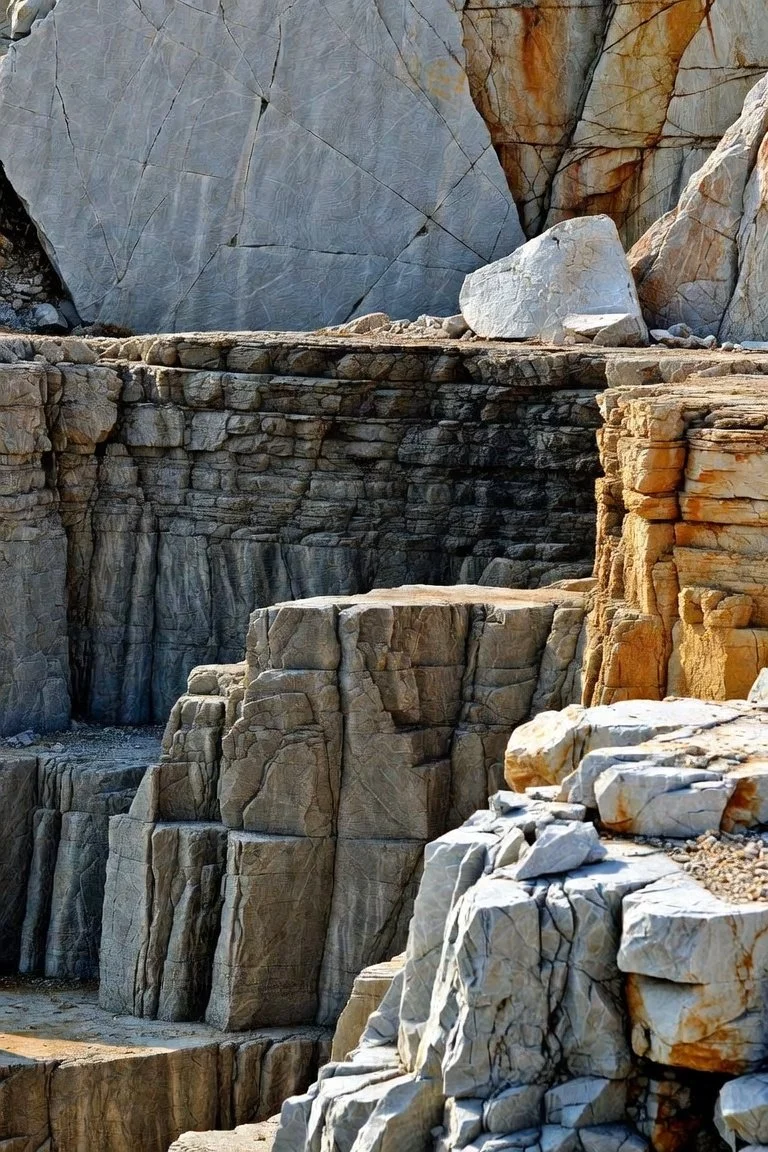
Limnel is the breath-threshold event where flowing matter loses purely surface identity and becomes admissible to transformation.
Limnel is not a place.
It is an immersion event.
At Limnel:
• Surface-state gives way to process-state
• Matter becomes transformable
• Prior organization becomes unstable
• Re-State becomes possible
Limnel is the constitutional hinge between motion and restructuring.
—
THE IMMERSION HINGE
Limnel is the breath-threshold event where flowing matter loses purely surface identity and becomes admissible to transformation.
Limnel is not a place.
It is an immersion event.
At Limnel:
• Surface-state gives way to process-state
• Matter becomes transformable
• Prior organization becomes unstable
• Re-State becomes possible
Limnel is the constitutional hinge between motion and restructuring.
LIMNEL